

European Higher Education Interoperability
European Higher Education Interoperability (HEIO) is a key element of the European Digital Education Hub. Its aim is to support the advancement of cross-border digital cooperation in European higher education by enabling digital systems at universities to work together seamlessly — from application and admission to study, assessment and recognition of qualifications. The HEIO working group brings together universities, European university alliances, public authorities and technical experts from across Europe to develop practical solutions for real-world needs.
What does interoperability mean?

Interoperability refers to the ability of different systems, platforms and organisations to work together effectively. This includes secure data exchange, a shared understanding of information and seamless services across institutions and countries.
For higher education, interoperability is essential to:
- Enable joint degree programmes
- Support student mobility efficiently
- Ensure the recognition of qualifications and achievements
- Simplify and accelerate administrative processes
This leads to more flexible, student-centred learning pathways.
How HEIO works within the Hub
The HEIO working group operates through continuous exchange and structured activities, including:
- Regular online meetings and onboarding sessions
- Webinars, community sessions and in-person workshops
- Expert articles and reports to document and share results

Throughout this collaborative process, the group:
- Identifies key barriers to interoperability across systems and institutions
- Develops shared principles and coordinated approaches
- Explores concrete use cases such as joint admissions, learning pathways and recognition of achievements
- Supports the alignment of policy frameworks, technical standards and institutional practices
The European Higher Education Interoperability Framework
A core outcome of this work is the European Higher Education Interoperability Framework (HEIF). The framework provides a structured approach to improving interoperability in higher education, integrating technical, organisational and semantic dimensions. It offers guidance for aligning systems and processes while allowing adaptation to national and institutional contexts.
The HEIF serves as a practical reference and supports:
- Development of common standards and reference architectures
- Alignment of data models and processes between institutions
- Implementation of interoperable digital infrastructures
- Creation of scalable and sustainable solutions
The framework has been developed in collaboration with European Universities alliances, higher education institutions and representatives of the European Commission. A first group of early adopters is already testing the framework in real-world environments, providing valuable feedback for its further development.
Why participate?
Interoperability delivers value for universities and their students by:
- Enabling stronger cross-border cooperation
- Improving the connectivity of digital infrastructures
- Increasing mobility and the recognition of qualifications
- Making new, more flexible learning pathways possible
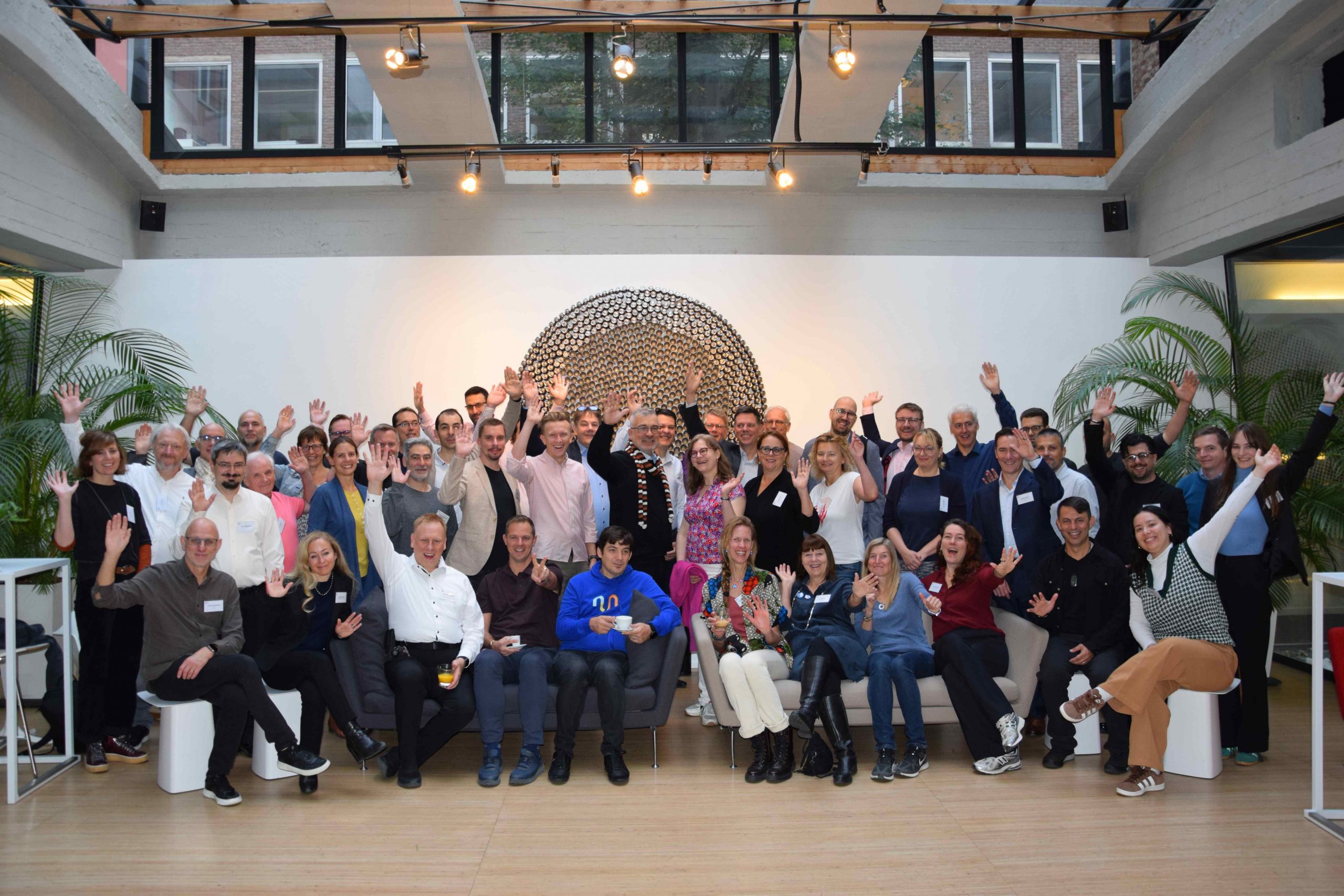
Universities, alliances, public authorities and IT professionals working in these fields are encouraged to join the HEIO working group, share their perspectives and benefit from collective expertise and experience
Get Involved
→ Contact the HEIO Working Group in the European Digital Education Hub